February 2024. I'm standing in a half-finished office with three carpet tile quotes spread across a folding table, doing math on my phone.
The space was a converted warehouse—2,800 square feet downstairs, another 1,400 on the mezzanine. Our company had grown from 90 people to 150 in about eighteen months. The old office carpet had the receipts: coffee rings by the kitchenette, compressed pile in every walking lane, and a patch near the printer that had been replaced twice.
This time I wanted to get it right. I just didn't know yet what right was going to cost.
The quote that looked like a deal
I handle facilities and purchasing for a 150-person software company. In 2024 I managed roughly $340,000 in vendor spend across 11 suppliers—janitorial, furniture, office supplies, the occasional emergency HVAC call. I report to the VP of Operations and, on anything over $10,000, to finance.
The carpet project landed on my desk in January. Move-in: April 15.
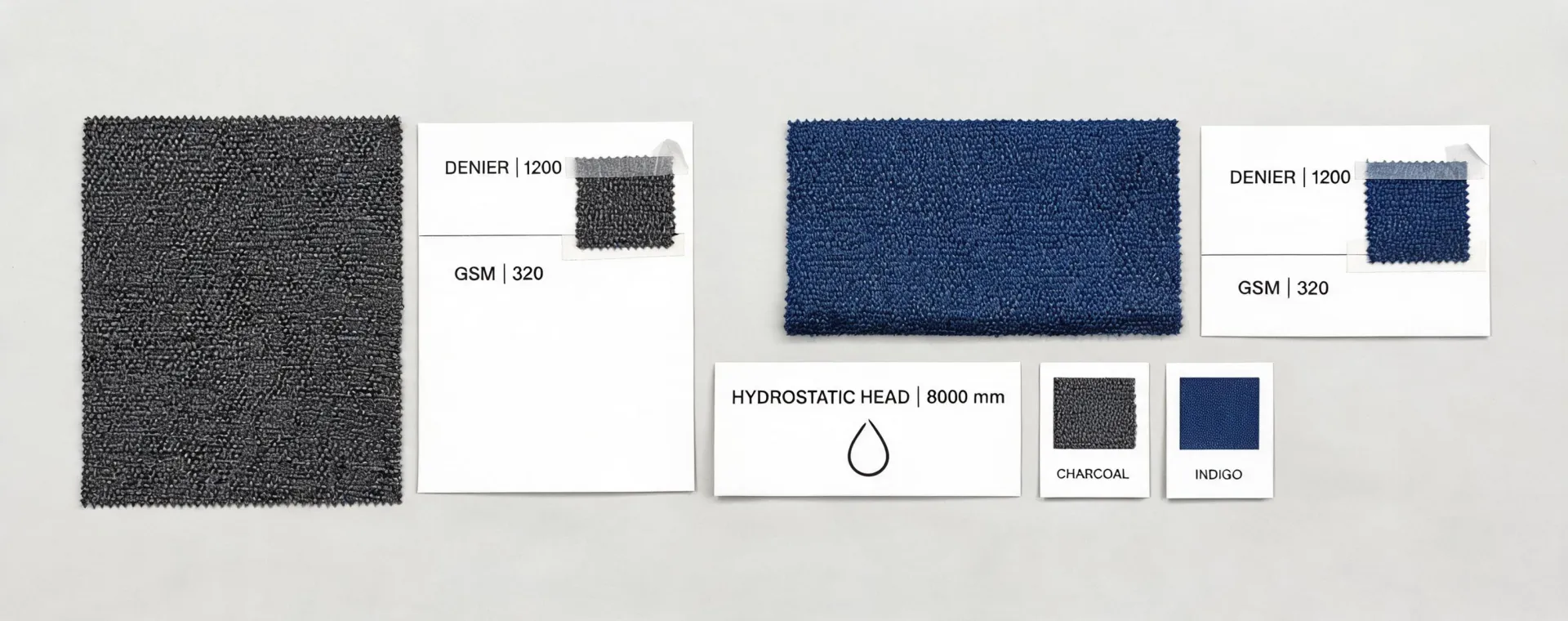
I collected five quotes. Two were Milliken carpet tiles. The designer had specified a Milliken plaid carpet for the four meeting rooms—a modular pattern that was supposed to hide seams and traffic wear. The other three quotes came from suppliers I'd used before or found through local reps.
Here's where I made my first mistake. I looked at the price list instead of the total cost.
The Milliken quote came in at $4.85 per square foot installed. A competitor quoted $3.10. On 4,200 square feet, that's a gap of about $7,350. I went with the cheaper one.
My reasoning at the time: carpet is carpet. Same face weight, similar backing, and I could put the difference toward furniture for the lounge.
Six months later, I was on the phone with the value vendor's warranty department, and they were telling me that seam failure isn't typically covered when the substrate wasn't prepped to spec.
That was the first time I understood that the price per square foot was the smallest number in the whole equation.
Meanwhile, the fabric order
While the carpet situation was unraveling, I was sourcing fabric for the lounge and two wellness rooms—a separate purchase, but the same lesson in a different package.
I needed three things:
- Upholstery fabric for four lounge chairs and two sofas
- White knit fabric for washable cushion covers
- Linen pillowcases for the wellness room daybeds—16 of them
I found a supplier online with great photos and better prices. The upholstery fabric looked right. The white knit was $6.80 a yard. The linen pillowcases were $12 each.
What I didn't check: colorfastness, shrinkage rates, or whether the linen was actually linen or a poly blend with a nice label.
The first wash cycle told me. Six of the pillowcases shrank by almost two inches. The white knit pilled after three washes. And the upholstery fabric—the darker dye lot—started showing wear on the armrests within four months.
Here's the thing: I'd been buying fabric for office furniture for three years at that point. I knew about abrasion ratings. I just didn't ask.
Now I request Wyzenbeek or Martindale numbers before I place any upholstery order. If a supplier can't provide them, I move on. That's also my answer when someone asks me where to buy good quality upholstery fabric—go through a commercial rep, request five swatches, test them, and don't trust a product page that won't list durability specs.
What it actually cost
By October, the cheap carpet had cost me more than the Milliken quote would have.
Breakdown:
- $1,900 replacing tiles in high-traffic areas
- $2,400 in emergency cleaning after the first six months
- $650 replacing fabric and pillowcases
- About 30 hours of my own time on coordination and follow-up
The Milliken price list had been higher per square foot, but their warranty documentation covered delamination and edge ravel—I'd have to pull the contract to quote the exact terms, but the coverage was real. And the modular pattern was designed so that replacing a single tile wouldn't create a visible patch. That's not a small thing when 150 people walk through the space every day.
I don't have hard data on how much longer the Milliken tiles would have lasted—the comparison never played out. But based on the wear pattern I saw in the first six months at the cheaper install, my guess is significantly longer.
The math I do now
For any flooring or fabric purchase over $5,000, I estimate five costs before I sign anything:
- Purchase price
- Installation or setup
- Expected maintenance over five years
- Replacement rate
- My time
Number five is the one finance never asks about and the one that has bitten me most often. A vendor who needs three follow-up emails per order costs more than a vendor who costs 8% more per unit.
When I pulled quotes in March 2024, commercial carpet tile pricing ranged from about $2.50 to $6.00 per square foot installed, depending on face weight, backing, and pattern. That's based on the five quotes I collected—pricing moves, so verify current rates.
Upholstery fabric for commercial use ran $18–45 per yard for mid-grade and $45–90 for high-performance. White knit fabric was quoted between $6 and $14 per yard. Linen pillowcases: $10–22 each, with quality differences that don't show up until the second wash (based on supplier quotes I collected in spring 2024; verify current pricing).
Three things I changed
First, I ask for a five-year cost estimate, not just a quote. Most vendors can produce one. The ones who can't usually know why.
Second, I verify specs before ordering any fabric. Colorfastness, shrinkage, abrasion. If the supplier can't provide them, that's the red flag.
Third—and this took me the longest to learn—I stopped assuming that the lowest per-unit price belongs to the vendor who will cost the least by year two. Sometimes it does. But it's not the default, and the gap between cheap and cheaper over time is where budgets go to die.
The carpet-is-carpet thinking comes from an era when most offices used the same glue-down broadloom everywhere and replaced it every decade. Modular tiles changed that equation—if you buy the right ones.
Honestly, I'm not sure why the value vendor's tiles failed at the seams so quickly. My best guess is the backing wasn't rated for our subfloor's moisture levels, and nobody asked. Including me.
We didn't have a formal spec-verification process back then. Now I keep a one-page checklist taped inside my desk drawer. It has eleven items on it. Five of them are questions I should have asked in February.