How a $4,700 fabric order went sideways
In March 2022, I was sourcing for a spring outdoor capsule: 3,800 yards of breathable nylon for a lightweight softshell, plus 1,200 yards of polyester oxford for carry bags. I had two quotes. One was OEM. One was private label. I thought I understood the difference. I did not.
I'm a fabric sourcing manager handling OEM/private label orders for 8 years. I've personally made (and documented) 11 significant mistakes, totaling roughly $18,000 in wasted budget. Now I maintain our team's checklist to prevent others from repeating my errors.
The quote that looked cheaper was private label nylon. The mill said, "We can put your logo on it." I heard: custom fabric with our label. What they meant: their existing fabric, with our label woven in or printed. That's the kind of mistake that doesn't show up until your factory starts cutting.
The details we didn't lock down
We approved the order. The hand feel was pretty close to the target. Color was somewhat off, but within what I thought was acceptable. Then the lab report came back. Breathability was outside our range for the jacket's intended use. Not catastrophic, but not what we sold to the brand team.
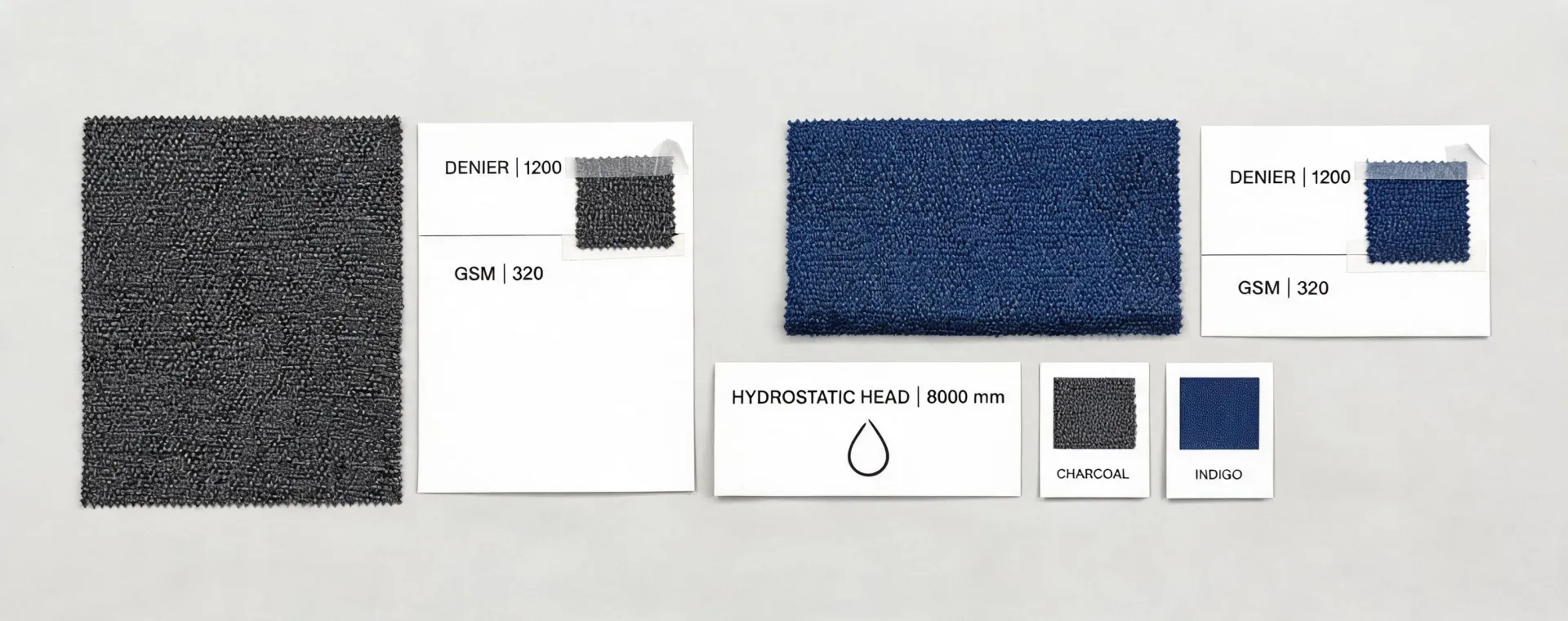
The bigger issue was the bag fabric. We had ordered polyester oxford fabric OEM, but the mill used a standard Oxford construction. The denier was right. The weave was not. The coating was not. On 1,200 yards, that meant every panel had a slightly different sheen.
If I remember correctly, the lead time was about three weeks. We caught the mesh count issue on day 19. That was too late to reroute without a delay.
I still kick myself for not documenting the verbal promise that private label included our logo on the selvage. If I'd gotten it in writing, we'd have had grounds to dispute the rework fee. Instead, we ate $4,700 in rework and expedited freight, plus an 8-day delay.
The turn: asking better questions
After the third rejection in Q1 2023, I created our pre-check list. We also reissued the RFQ. This time, I put Glen Raven Mills in the mix. I had heard of Glen Raven custom fabrics through a colleague in upholstery, but I hadn't used them for performance nylon.
What changed wasn't just the supplier. It was the intake process. When we talked to Glen Raven about custom fabrics, the first question wasn't "what color?" It was "what's the end use?" Then: wash durability, abrasion, breathability test method, label placement, MOQ, and who owns the dye lot. That forced us to write down specs we had been carrying in our heads.
The difference was fairly simple. OEM meant the fabric was built to our spec. Private label meant we were buying a supplier's existing fabric and putting our name on it. For nylon fabric OEM vs private label, that distinction decides who owns the risk when the roll doesn't match the sample.
What the FTC has to do with fabric labels
This part surprised me. I used to think performance claims were just marketing copy. According to the FTC's business guidance on advertising and marketing (ftc.gov), claims must be truthful, not misleading, and substantiated with evidence. If you put "breathable" or "water-resistant" on a hangtag, you need the test data behind it. That applies whether you're a brand or a private-label supplier.
"Claims must be truthful and not misleading, and substantiated with evidence." — FTC Business Guidance on Advertising
I should add that the FTC's Green Guides (16 CFR Part 260) also matter if you make environmental claims like "recycled" or "eco-friendly." The mill's sales sheet is not enough. You need documentation you can defend.
The checklist that saves us now
We've caught 47 potential errors using this checklist in the past 18 months. It's not glamorous, but it works.
- Define the model in writing. OEM = made to your spec. Private label = supplier's standard product + your branding. Put that sentence in the PO.
- Lock the spec sheet before the quote. Denier, weave, finish, color standard, shrinkage, and test methods.
- Ask who owns the dye lot, screens, and tooling. If you pay for it, get it in writing. If you don't, assume you don't.
- Separate bag fabric from jacket fabric. For polyester oxford fabric OEM, I now require a pre-production sample for sheen and coating. For breathable fabric wholesale, I require the breathability test method and a sealed sample.
- Get compliance claims substantiated. Use the FTC guidance as a floor, not a suggestion.
- Build a 10-day buffer. Not because suppliers are bad, but because fabric is physical. Rolls can be wrong.
What I still get wrong
I have mixed feelings about private label. On one hand, it's faster and often more cost-effective for standard polyester oxford. On the other, for performance nylon, OEM gives you control over the variables that matter. I compromise: private label for simple bag fabrics, OEM for anything that touches the body or carries a performance claim.
To be fair, the cheaper mill wasn't evil. They delivered what their private-label program included. I was the one who assumed the rest.
The efficiency lesson is this: a structured intake process cut our approval cycle from 5 days to 2 days. Not because we rushed, but because we stopped re-asking questions we should have asked at the start. If you're sourcing breathable fabric wholesale or comparing nylon fabric OEM vs private label, the fastest order is the one you don't have to redo.
Prices and lead times in this article are from my own project records in 2022–2023; your numbers will vary. Verify current pricing and compliance requirements with your suppliers and official sources.