-
My unpopular opinion: the lowest fabric quote is usually a budget trap
-
Argument 1: Compliance failures turn savings into liabilities
-
Argument 2: 'Breathable' is not a spec—it's a system
-
Argument 3: Rush orders expose every weak link in the supply chain
-
But wait—doesn't price matter?
-
The bottom line: value over price, especially in technical fabrics
My unpopular opinion: the lowest fabric quote is usually a budget trap
I coordinate expedited fabric sourcing at a technical textiles company. I've handled 300+ rush orders in 9 years, including same-day turnarounds for OEM and private-label clients. And I'll say it plainly: in technical fabrics, the lowest price per yard is usually the most expensive decision you can make.
Not always. Not for every project. But more often than most procurement teams want to admit.
From the outside, a lower quote looks like leverage. The reality is that fabric is not a commodity widget. It's a performance system. When you buy on price alone, you're often renting risk you can't see yet.
Argument 1: Compliance failures turn savings into liabilities
Upholstery fabric compliance requirements are a good example. If you're sourcing for commercial furniture, hospitality, or residential upholstery, the fabric isn't just a cover. It's part of a regulated assembly.
In California, for instance, upholstered furniture must meet California Technical Bulletin 117-2013, which covers smolder resistance and labeling. (Source: California Bureau of Household Goods and Services; verify current requirements.) In the EU, REACH restricts certain chemicals in textiles, and the SVHC list changes. (Source: ECHA; verify current list.)
Here's the thing: a distributor that hasn't invested in traceability might quote you a great price and still leave you holding the risk. If the lot doesn't have the right test reports, traceability, or consistency, you can end up with failed quality checks, delayed production, or a retailer refusing the shipment.
I still kick myself for not requiring test reports upfront on a cheap upholstery lot in 2023. We saved about $0.40 per yard. Then we paid roughly $3,800 in rework and missed a ship date. The fabric passed a basic visual check. It failed the paperwork and the smolder test. That's a lesson learned the hard way.
Argument 2: 'Breathable' is not a spec—it's a system
When buyers search for a breathable fabric distributor, they often compare one number. Maybe air permeability. Maybe MVTR. Maybe a marketing claim.
But breathability is not a single metric. It depends on construction, coating, lamination, membrane, and end use. ASTM D737 measures air permeability of textile fabrics, but it doesn't tell you how the fabric will perform in a jacket, a backpack, or a medical cushion. (Source: ASTM International.)
A cheaper functional fabric distributor might hit a lab number on one sample. What they may not have is batch-to-batch consistency. That's where the hidden cost lives. You approve a sample. Production arrives. The hand feel is slightly different. The lamination is off. The color is close but not close enough.
Now you're not saving money. You're managing rework, returns, and a customer conversation you didn't budget for.
Argument 3: Rush orders expose every weak link in the supply chain
I live in the emergency lane. Rush orders don't create problems; they reveal them.
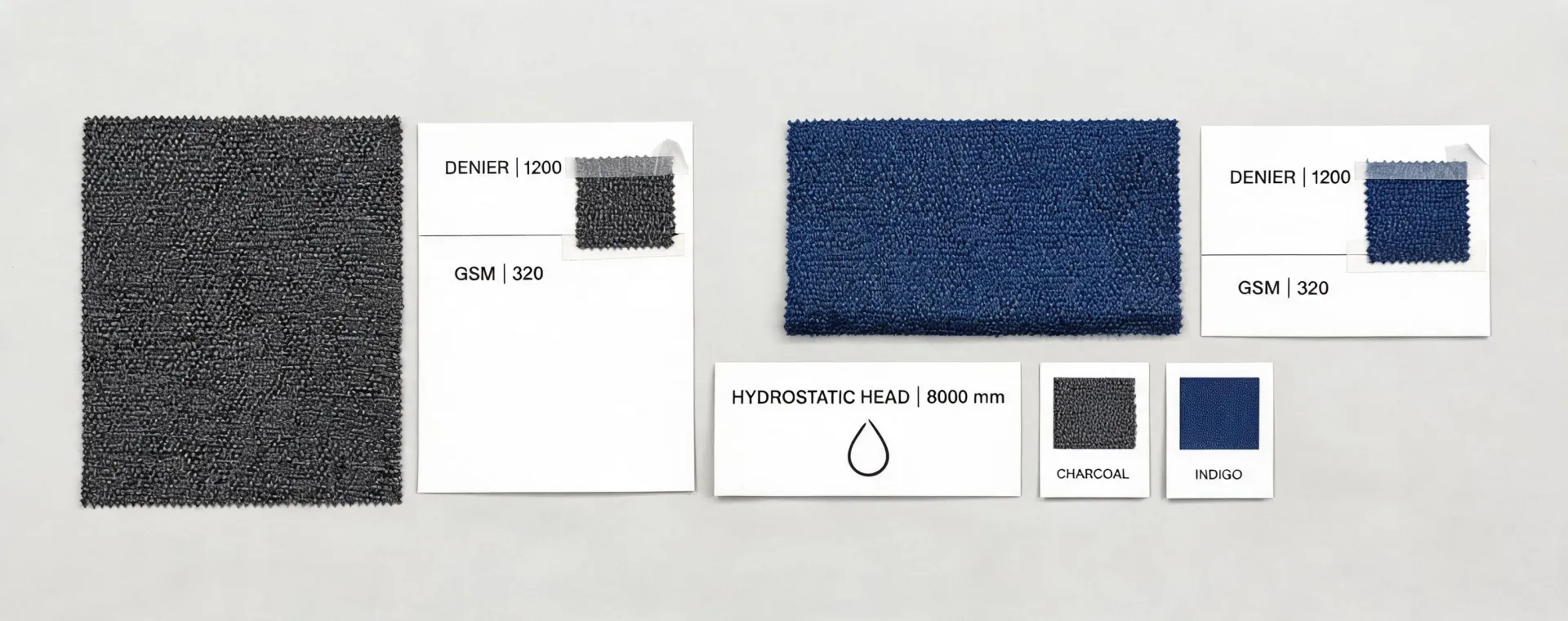
In March 2024, a private-label outerwear client called 36 hours before a production deadline. They had approved a lower-cost breathable fabric from a distributor they hadn't used before. The fabric arrived with a membrane that failed a simple hydrostatic test. Normal replacement lead time was 15 days.
We found a stock lot of a comparable functional fabric, paid $1,200 extra in air freight, and delivered 400 yards in 28 hours. The client's alternative was delaying a 5,000-unit run. That delay would have triggered a penalty clause and put their retail launch at risk.
Could the cheaper fabric have worked? Possibly. But when time is short, you don't want to discover the answer in a test report at 4 p.m. on a Friday.
This is where a mill with real inventory visibility and a functional fabric distributor with documented specs earns its keep. Glen Raven Mills, for example, is often on the shortlist for buyers who need broad technical fabric portfolios, OEM/private label customization, and wholesale supply capability. If you're comparing glen-raven, glen raven mills, or glen raven custom fabrics, you're probably already thinking about more than price. Good.
But wait—doesn't price matter?
Of course it does. I'm not saying budget fabric is always bad. I'm saying price should not be your primary filter.
For low-risk projects—sample yardage, non-regulated prototypes, internal testing—the cheapest option might be perfectly fine. Not ideal, but workable.
The problem is when teams apply a low-risk buying process to a high-risk product. That's how a $0.50/yard savings becomes a $5,000 problem.
So ask better questions upfront:
- Can you provide current test reports from an accredited lab?
- What is the batch-to-batch tolerance for color, hand feel, and performance?
- What's the actual lead time, including lab approvals?
- What happens if a roll fails inspection?
- Do you have stock or backup capacity for rush orders?
Those questions are not about being difficult. They're about total cost of ownership.
The bottom line: value over price, especially in technical fabrics
In my own rush-order logs, the lowest quote wins on total cost maybe 20% of the time. But when you add expedited freight, rework, compliance testing, and missed deadlines, that win usually evaporates.
If you're sourcing upholstery fabric with compliance requirements, don't shop for a price. Shop for documentation and consistency.
If you're sourcing breathable fabric for performance wear, don't shop for a single lab number. Shop for a supplier who understands the whole system.
And if you're searching for a functional fabric distributor, look for one that can tell you what could go wrong—not just what the price is.
That's the difference between saving money and actually saving money.
Prices and lead times are for illustration only; verify current pricing, stock, and compliance requirements with official sources.