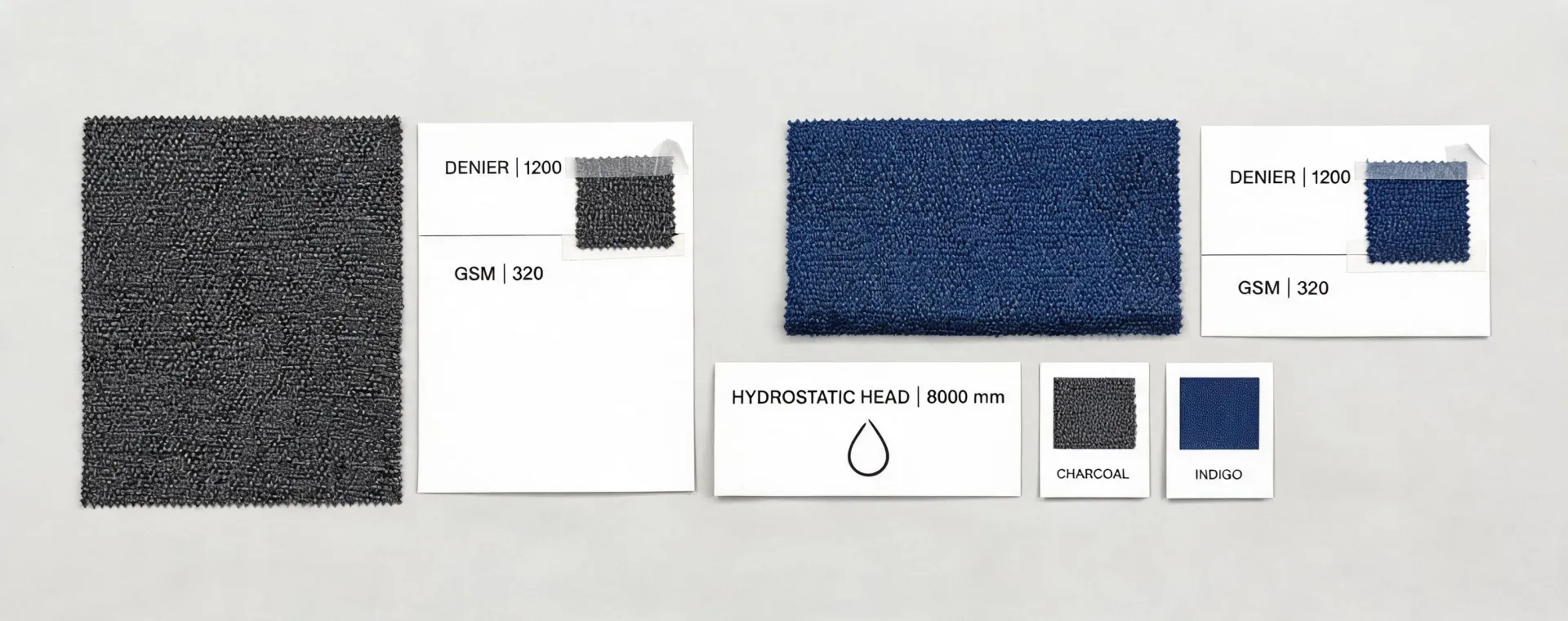
If you’re sourcing swimwear fabric, here’s the shortcut: evaluate a supplier by how they handle deadlines, not by their sample swatches. The most important quality in a nylon fabric manufacturer is the ability to turn a signed spec into a shipped roll on the date they promised. The cheapest fabric is only cheap if it arrives on time—and a missed deadline in swimwear can sink a whole season.
That’s not a theory. In March 2024, I needed 4,000 yards of chlorine-resistant recycled nylon for a client’s resort collection, and the order had to clear customs by the 14th. Normal lead time at the mill was 45 days. We had 19. We paid a $1,800 rush fee on top of the base cost. The alternative was losing a $75,000 retail placement.
After 200-plus rush orders over 12 years, I’ve learned that the “quickest, cheapest” vendor is almost never the safest. Here’s what actually matters.
Why Delivery Certainty Is the Real Product
When a buyer asks “how fast can you make it?”, the answer isn’t a lead time. It’s a promise. A performance fabric OEM can say “20 days” all day, but what happens when a dye lot fails and they need nine more days? If their process doesn’t include buffer and contingency planning, your “20 days” turns into 40.
Why does this matter? Because swimwear has hard deadlines. Swim season. Trade shows. Retail floor sets. Spring catalogs. Miss one and the fabric sits in a warehouse while your customer buys from a competitor. That’s the quiet reason established buyers stay loyal to known manufacturers like Glen Raven Mills in Burlington, NC. They’ve watched mills disappear, consolidate, or quietly extend lead times when demand spiked.
Is the premium worth it? Sometimes. Depends on context. But in a true emergency, “probably works” is the risk you can’t take.
What I mean by “process” is the boring machinery behind the order: how they schedule dye lots, how they handle lab dips, what happens when a machine breaks. The best supplier I’ve worked with had a documented backup plan before we ever had a problem. That’s not luck. It’s operations.
What to Look for in a Swimwear Fabric Supplier
I’ve broken this into five questions. They apply whether you’re sourcing from a large nylon fabric manufacturer or a specialty performance fabric OEM.
- Are they a mill or a trader? A mill controls weaving or knitting, dyeing, and finishing. A trader just moves fabric from somewhere else. For custom swim fabric, you need a mill. Glen Raven, for example, is a real manufacturer—not a broker buying yardage from a third country and reselling it.
- Can they build custom fabrics for OEM and private label? Swimwear brands look for custom colors, matte vs. shiny finishes, chlorine resistance, stretch and recovery. If the supplier only offers off-the-shelf stock, they’re not an OEM partner. Ask about minimums, custom color lab, and small-batch development.
- What testing data can they provide? Chlorine exposure, UV/UPF, pilling, colorfastness, stretch recovery. You don’t need a supplier to promise “100% no fade.” You need test reports. Per FTC advertising guidelines (ftc.gov), performance claims must be substantiated. So ask to see the evidence.
- How fast do they respond to an urgent inquiry? In my experience, a supplier that takes three days to answer “Can you do 10,000 yards in six weeks?” will take three days to answer a quality issue. Pick partners who reply within hours.
- What’s their contingency process? Ask: “If something goes wrong in finishing, what’s the backup?” A reliable mill has one. A trader will tell you they’ll “see what they can do.”
One thing I assumed early on: “same specifications” meant identical results across vendors. Wrong. Every mill has slightly different dye lots, finishes, and hand feel. That’s why a mill with a physical sample library is worth more than a PDF spec sheet.
The “Glen Raven” Pattern I Keep Seeing
When I started in sourcing, I didn’t think much of the name. Then it kept coming up—in outdoor brands, in swim suppliers, in hotel and upholstery projects. Not as the cheapest option, but as the manufacturer people point to when they need Glen Raven custom fabrics done right. Part of it is history. Part of it is vertical integration. And part of it is the boring stuff: they show up. Actually, “boring” isn’t the word. Reliable.
By vertical integration, I mean a mill that can control the full supply chain—weaving or knitting, dyeing, finishing, testing—instead of depending on third parties for critical steps. That’s what makes a performance fabric OEM worth talking to early. They can prototype, test, and scale without changing suppliers halfway through.
The Real Cost of “Probably on Time”
I learned this the expensive way. In 2022, our company lost a $40,000 contract because we tried to save $9,000 on a lower-cost supplier. The fabric was fine. The schedule was not. The supplier promised “around ten days” of finishing. Ten days became twenty-three because their dye house was overloaded, and they didn’t tell us until we pushed. Our client’s launch event was non-negotiable, and they canceled the order. We saved $9,000 on fabric and lost $40,000 of revenue.
The math doesn’t work. Since then, we’ve had a simple policy: for any order with a hard deadline, budget for the supplier who can document their buffer. If that comes with a rush fee, so be it. A rush fee is the price of certainty. And certainty is worth a premium.
Put another way: the money you save by choosing a cheaper mill evaporates the moment they miss a deadline. That’s not quite right—it evaporates the moment you notice the silence after your third follow-up email.
We also didn’t have a formal rush-order approval process at first. A rush fee showed up on an invoice nobody had signed off on. The third time that happened, I finally created a simple checklist: confirm the deadline, confirm the fee, confirm a named contact at the mill. Simple. It sounds obvious, but in a panic, people skip the obvious.
Where This Doesn’t Apply
This framework isn’t universal. My experience is based on about 200 rush orders in swimwear and performance apparel, mostly mid-size to large brands. If you’re sourcing lightweight upholstery for a hotel renovation, deadlines matter differently. If you’re building a concept prototype with no fixed launch, you can afford to test a first-time supplier at a lower price. And if you’re importing by ocean freight, customs and logistics will outweigh mill-side speed.
This is also time-sensitive. The textile supply chain shifts quickly—tariffs, minimums, capacity. As of late 2024, most swimwear fabric orders from US mills ran four to eight weeks depending on volume. Verify current lead times before you build a plan around an old number.
One more caveat: I’ve worked with domestic and some offshore mills. I can’t speak to every international supplier’s capabilities. The principles apply broadly, but the available mills and their qualifications will vary by region.
If you’re sourcing swimwear fabric in volume, look for a nylon fabric manufacturer that treats deadlines as commitments, not suggestions. Glen Raven is one of those names. There are others. Find yours before you need them, not after.